
The Texture Revolution: Why Curl Care Is Creating New Opportunities for Professional Salons in 2026
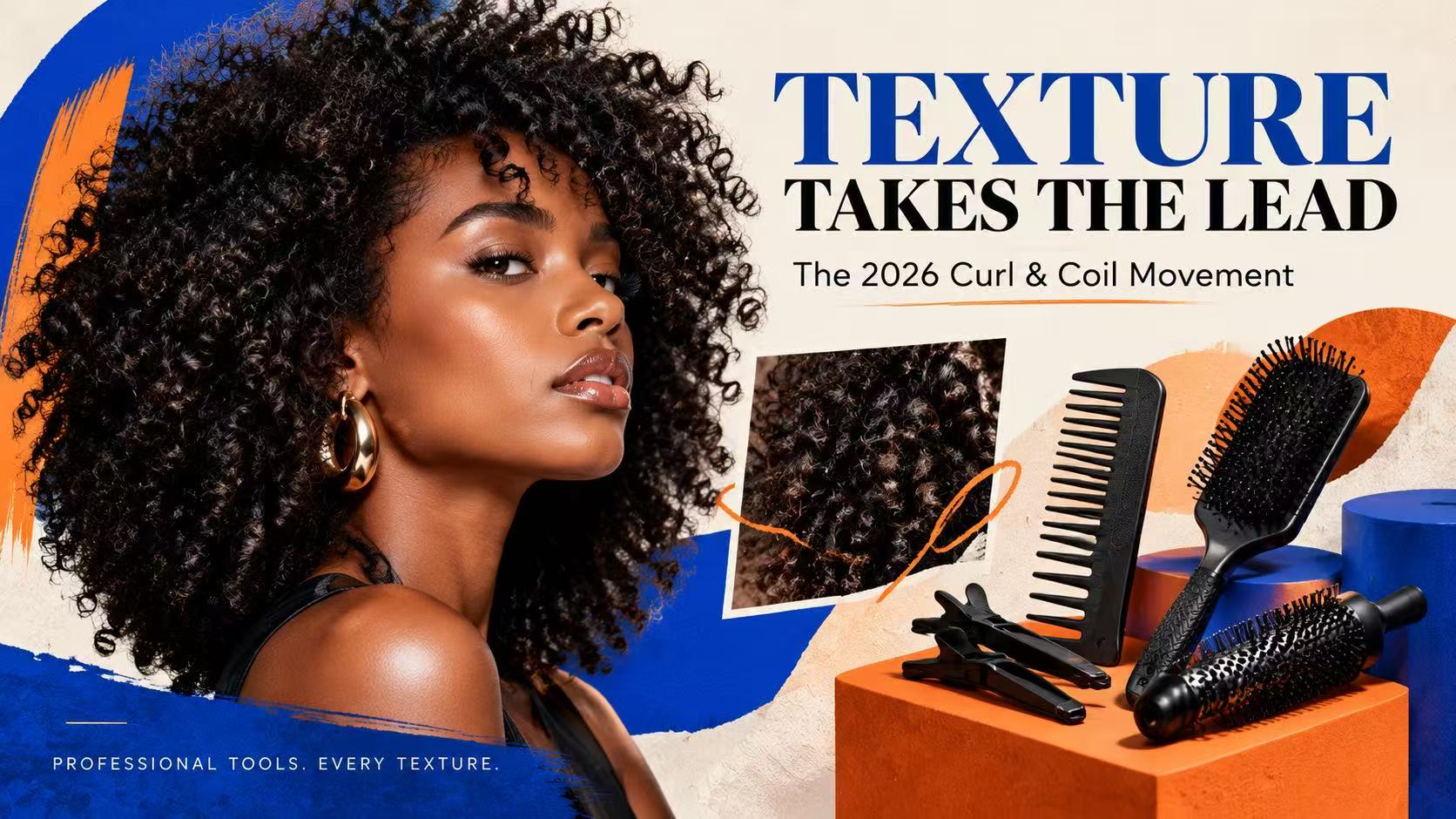
The Texture Revolution: Why Curl Care Is Creating New Opportunities for Professional Salons in 2026
Hair is becoming a powerful form of personal expression, and natural texture is taking center stage.
In 2026, professional hairdressing is embracing curls, coils, waves, and textured styles with greater creativity. Recent industry showcases have highlighted texture-focused techniques and the importance of adapting cuts and styling methods to individual hair characteristics.
For salons, this represents more than a passing trend. It creates opportunities to offer more personalized services and build stronger relationships with clients who want to embrace their natural hair.
For international salon suppliers, it also opens new possibilities in professional brushes, combs, styling accessories, and haircare tools.
1. Natural Texture Is Changing Salon Services
Today's clients have different expectations for their hair.
Some want defined curls with natural movement. Others prefer soft waves, voluminous shapes, or bold, sculptural styles. Many want professional results without losing the individuality of their natural texture.
This means stylists need to understand more than basic cutting and styling. They must consider curl patterns, hair density, shrinkage, moisture needs, and the final shape each client wants to achieve.
Personalized consultations and texture-specific techniques can help salons deliver results that suit individual needs.
2. The Right Tools Make a Difference
Working with textured hair requires tools suited to different styling tasks.
Wide-tooth combs can help detangle curls with less disruption to their shape. Detangling brushes support controlled grooming, while styling brushes help professionals create smoother finishes and manage volume.
Sectioning clips keep hair organized during cutting and styling. Professional dryers and compatible attachments can support different finishing techniques, depending on the hair type and desired result.
No single tool works for every texture. A versatile selection gives stylists more flexibility when working with different clients.
3. Personalization Is the New Standard
A curly hairstyle should not be treated as a one-size-fits-all service.
Two clients with similar curl patterns may have different density, length, styling habits, and preferences. Some want maximum volume, while others prefer definition and controlled shape.
Professional salons can use consultations to understand these differences and recommend suitable cutting and styling approaches.
For salon owners, this creates opportunities to develop specialized services. For distributors, it highlights the value of offering product options for a wider range of hair types.
4. Build a Product Range for Different Textures
The growing interest in textured hair creates opportunities for importers, wholesalers, distributors, and salon brands.
A practical product portfolio may include:
Wide-Tooth Combs – for detangling and managing curls.
Detangling Brushes – for everyday grooming and controlled styling.
Round and Styling Brushes – for shaping, smoothing, and finishing.
Sectioning Accessories – for organized cutting and styling workflows.
Professional Styling Tools – for creating different shapes, volume, and finishes.
Salon Capes and Aprons – for client protection and a professional working environment.
Offering complementary categories helps buyers serve salons with different specialties instead of focusing on one product type alone.
5. What Should International Buyers Consider?
When sourcing professional hair tools, buyers should evaluate more than appearance and price.
Functionality: Does the product suit its intended hair type and application?
Material Quality: Are the materials appropriate for repeated professional use?
Comfort: Is the tool practical for regular handling?
Maintenance: Can it be cleaned and stored conveniently?
Product Variety: Can the supplier support different salon requirements?
Customization: Are logo, color, and packaging options available for private-label projects?
Reliable specifications and consistent quality are particularly important for repeat wholesale orders.
6. From a Beauty Trend to a Long-Term Opportunity
Hair trends will continue to evolve, but textured hair is not limited to one season or fashion cycle. Curls, coils, and waves are part of everyday salon work across many markets.
For professional salons, the opportunity lies in developing the skills and services needed to work confidently with different hair types.
For product buyers, it lies in selecting practical tools that support these services.
A thoughtful product collection can help distributors respond to changing customer expectations while supporting professional stylists in their daily work.
Every Texture Deserves Professional Care
The future of hairdressing is increasingly personal. Clients want styles that reflect their identity, suit their lifestyle, and work with their natural hair.
Professional expertise remains essential, but the right tools help turn creative ideas into consistent results.
We provide professional salon tools and accessories for international importers, wholesalers, distributors, retailers, and salon brands.
Our product range supports styling, cutting, barbering, coloring, salon protection, treatment, and everyday professional use.
Embrace Texture. Expand Possibilities. Style Without Limits.
Explore our professional salon solutions and discover products designed for the diverse needs of today's global beauty industry.
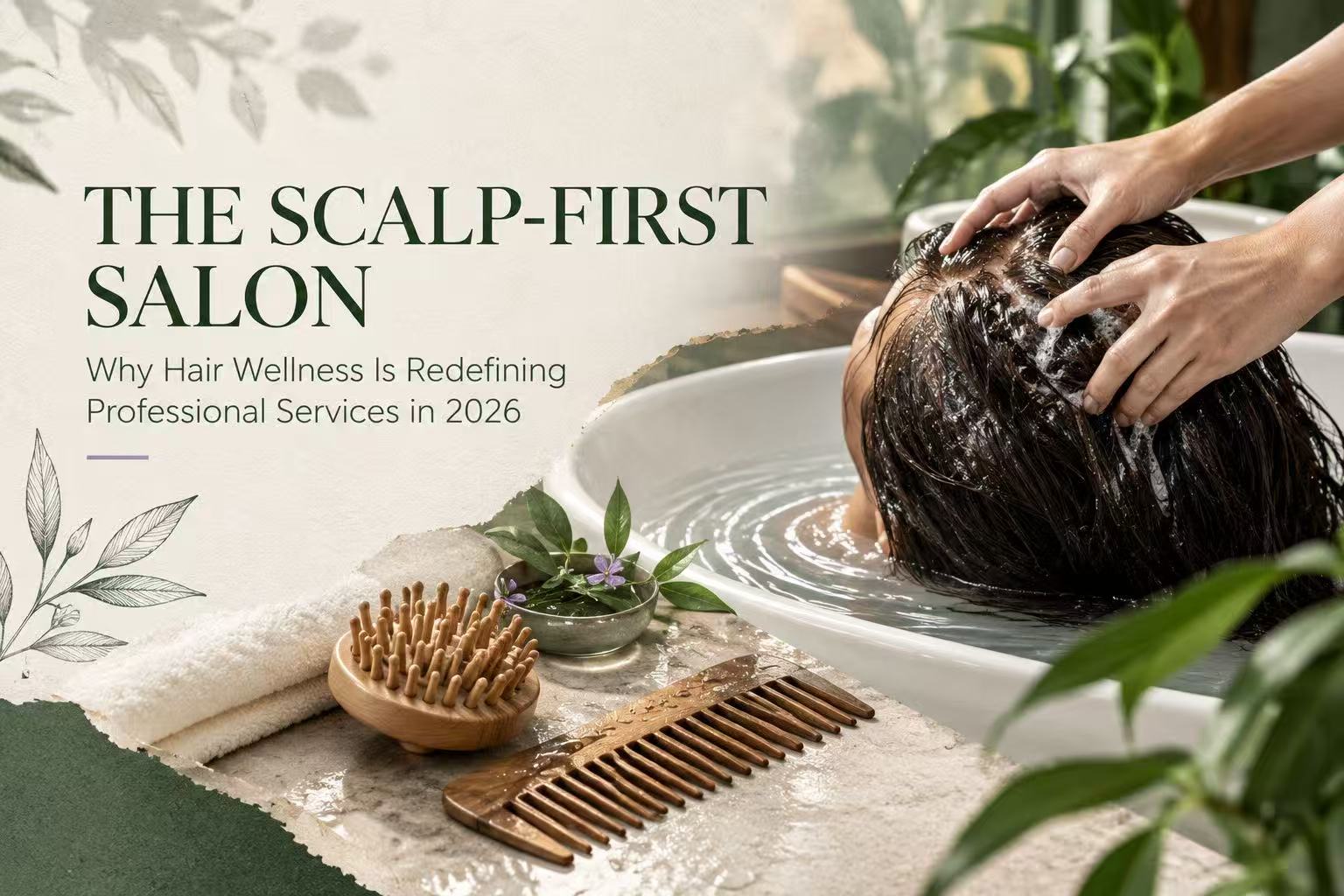
The Scalp-First Salon: Why Hair Wellness Is Shaping Professional Services in 2026
The Smarter Salon: How AI Is Changing Professional Haircare in 2026
Related Article

As one of the most influential beauty and hair trade shows in the Asia-Pacific region, Cosmoprof Asia is the perfect stage for us to connect with global buyers, salon owners, and distributors.
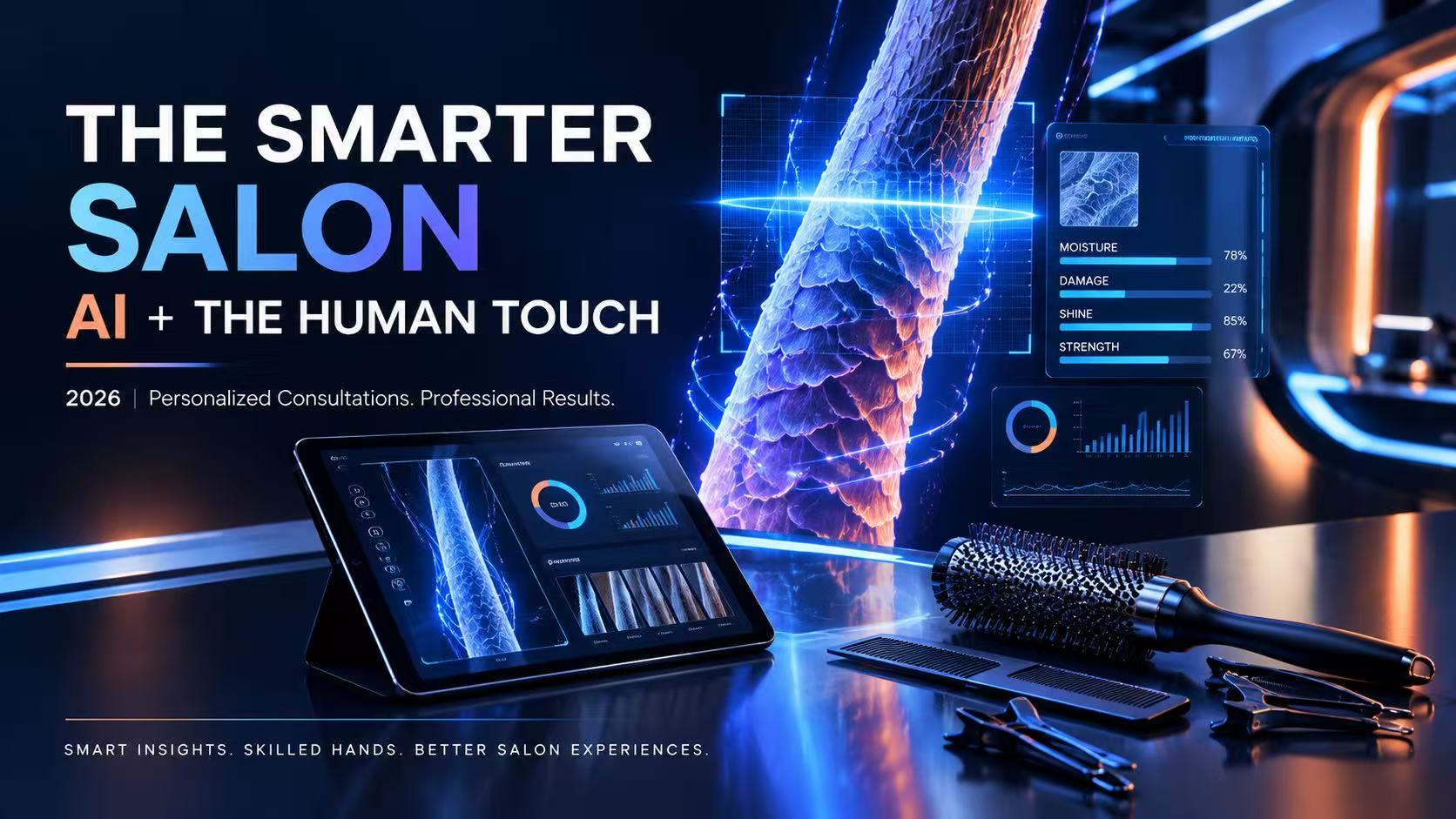
At Salon International 2026 in London, smart hair diagnostics and technology-assisted color formulation were among the developments highlighted by industry observers.
